
Vector control
Ticks live in tall grass, woods and gardens. They can transmit Lyme disease: quick removal reduces the risk. Medical treatment always remains with the doctor.
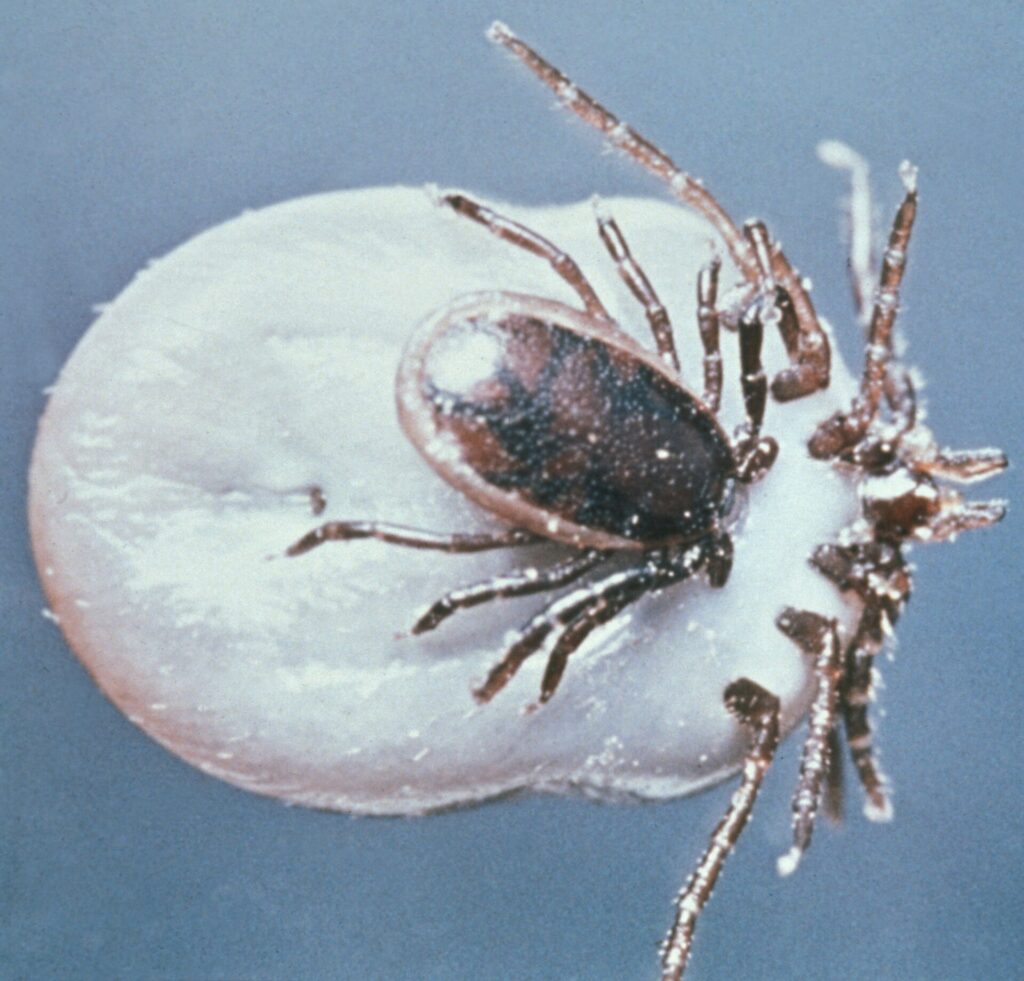
Signs to look for
- Risk areas: tall grass, woodland edges, undergrowth, hedges
- Ticks found on pets
- After a bite, a spreading red patch means you should see a doctor
Our intervention
- Assessment of risk areas (parks, schools, campsites, green spaces)
- Recommendations for landscaping and maintenance
- Staff awareness and training
- Protocol for tick removal and bite follow-up
Prevention: good habits
- Wear long, light-coloured clothing
- Check your body after every outing
- Remove a tick as soon as possible with a tick remover
- Watch the bite area for a few weeks
Learn more: our advice sheet →
Use biocides safely. Always read the label and product information before use.
How does an intervention work?
From your first call to the final report, you know what happens at every step.
Contact
You describe the situation, we advise you.
Assessment
On-site inspection and search for the causes.
Treatment
Written quote, then targeted treatment.
Follow-up
Written report and follow-up visit.
Tell us about your situation
Describe your problem: we will get back to you quickly with initial guidance.