
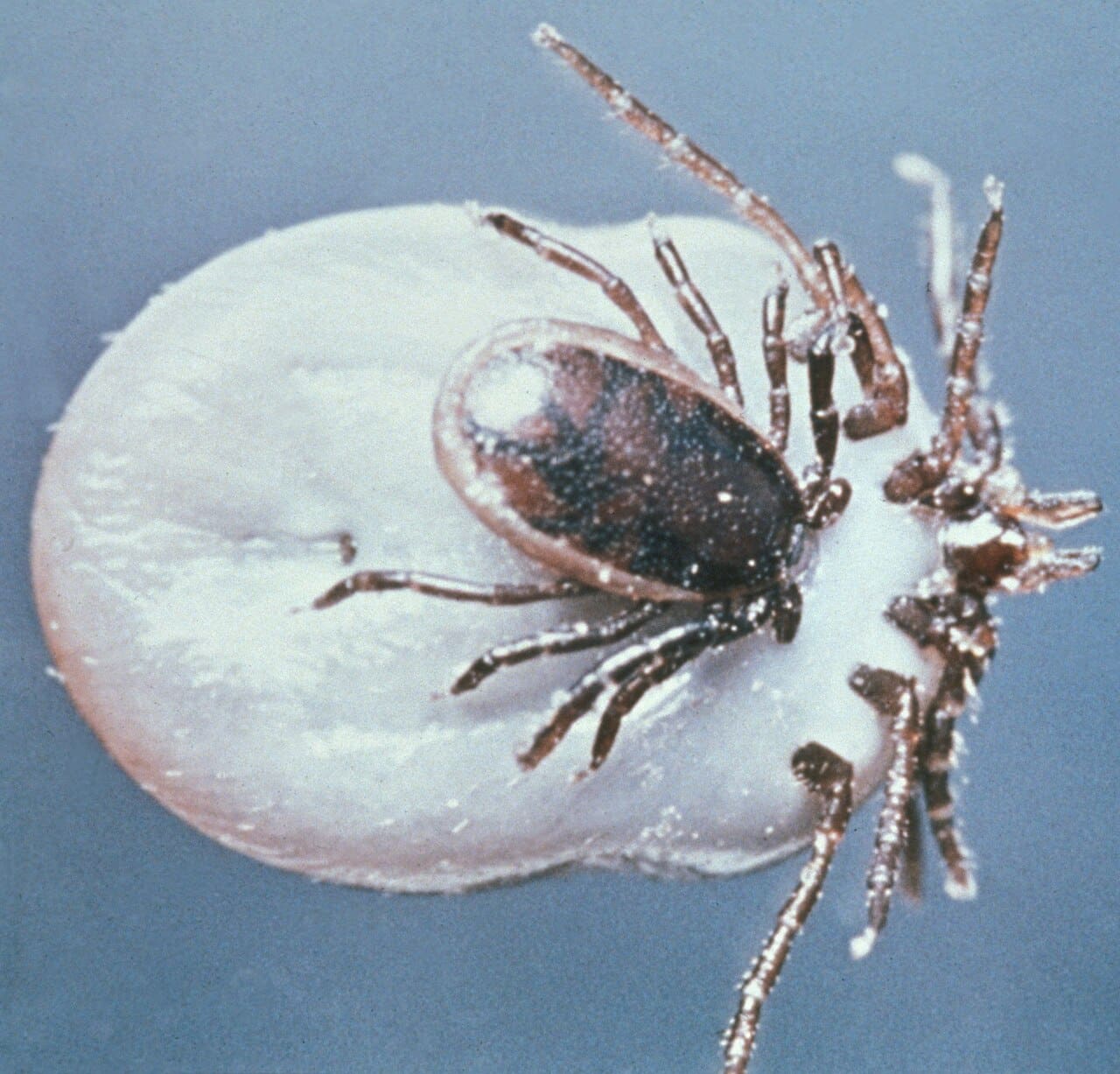
Ticks are small mites that live in long grass, woods and gardens. They attach to the skin to feed on blood, often without you noticing.
How to recognise them
- A small brown or black dot attached to the skin, which grows as it feeds
- Common areas: back of the knees, groin, armpits, scalp, behind the ears
- More frequent from spring to autumn
What are the risks?
Some ticks can transmit Lyme disease. A redness spreading around the bite in the following days or weeks, or a fever, should lead you to see a doctor.
Prevention: the right habits
- Wear long, light-coloured clothing when walking in nature
- Stay on paths and avoid long grass
- Check your whole body when you get home, as well as children and pets
- Remove the tick quickly with a tick remover, without crushing it or applying any product
- Note the date of the bite and watch the area for several weeks
When to call a professional
For sites open to the public (schools, parks, campsites, companies with green spaces), a professional can assess risk areas, advise on vegetation management and raise staff awareness. If you have symptoms, always see a doctor.
This advice is provided for information only and does not replace medical advice or an on-site assessment.